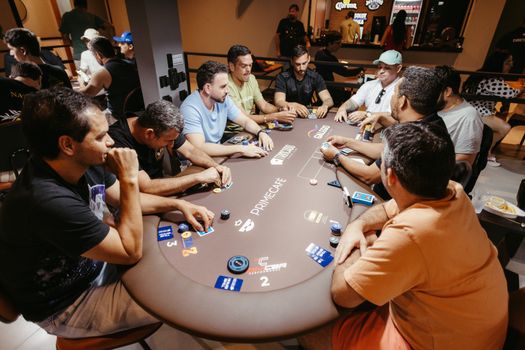
The digital era has transformed entertainment in the Maldives, bringing new opportunities and challenges to one of the world’s most unique island nations. Among the most controversial and misunderstood topics is online gambling. Myths abound—from legal misunderstandings to perceptions about safety and winnings. But which stories are rooted in fact, and which are simply fiction? This article unpacks the top 5 myths about online gambling in the Maldives, separating what’s true from what’s not, and providing the real picture for curious Maldivians and anyone interested in gaming trends in this tropical paradise.
Understanding Online Gambling in the Maldives: Setting the Record Straight
Before diving into the myths, it’s essential to understand the context. The Maldives is an Islamic nation, and local laws strongly regulate gambling activities. Brick-and-mortar casinos are forbidden, and the government takes a strict stance on upholding Sharia law. However, the global surge in online gambling has created a gray area, with many Maldivians accessing international platforms through the internet.
In 2023, the Maldives had an internet penetration rate of 68%, and the number of Maldivians engaging with online platforms—whether for shopping, social media, or gaming—continues to rise. This shift has led to increased curiosity and concern about online gambling: is it illegal, dangerous, or just misunderstood?
.png)
Let’s break down the five most common myths and reveal the real story behind each.
Myth 1: "Online Gambling is Completely Legal in the Maldives"
This is perhaps the most widespread and risky misconception. The reality is far more complex.
All forms of gambling—including online gambling—are officially prohibited under Maldivian law. The 1976 Law on Prohibition of Gambling, combined with Islamic Sharia law, makes it illegal to operate casinos or betting establishments. No local online gambling sites are licensed or regulated by Maldivian authorities.
However, many international gambling websites accept Maldivian players, as their servers are located offshore. While this may give an impression of legality, Maldivians accessing such sites are still technically breaking local laws. Enforcement is inconsistent, and there have been few publicized prosecutions, but the risk remains.
In 2022, the Maldives Police Service reported over 50 cybercrime investigations involving online gaming and gambling. While not all resulted in prosecutions, the government’s stance remains firm: online gambling is not legal, regardless of where the website is hosted.
Myth 2: "Online Gambling is Always Unsafe and a Magnet for Scams"
Safety is a common concern, and not without reason. The digital world is home to both legitimate operators and unscrupulous actors. But is online gambling always unsafe? The answer is more nuanced.
Global statistics show that in 2021, the online gambling industry was worth over $64 billion, with millions of users worldwide. Reputable international gambling sites employ advanced security protocols, such as SSL encryption, to protect user data and financial transactions. Well-known operators are licensed in jurisdictions like Malta, Gibraltar, or the UK, and undergo regular audits to ensure fair play.
That said, Maldivian players are at increased risk because they have no local consumer protections. If a dispute arises, the Maldivian government cannot intervene. Rogue sites, lacking proper licensing, are more likely to scam users or rig games. In 2022, the Global Online Fraud Report noted a 17% increase in gambling-related online scams, often targeting countries with strict gambling bans.
How can you tell the difference between reputable and rogue sites? Here’s a comparison:
| Feature | Reputable Sites | Rogue/Unlicensed Sites |
|---|---|---|
| Licensing Authority | Malta Gaming Authority, UK Gambling Commission | None or unknown |
| Security Protocols | SSL encryption, secure payment gateways | Minimal or absent |
| Game Fairness | Audited by third parties (e.g., eCOGRA) | No audits, games may be rigged |
| Customer Support | 24/7, multiple languages | Limited or none |
| Payout Reliability | High, with published payout rates | Unreliable, delayed or denied payouts |
The takeaway: online gambling is not always unsafe, but Maldivians must exercise extreme caution, as there is no legal recourse if things go wrong.
Myth 3: "Online Gambling is a Guaranteed Way to Make Money"
Success stories of massive online wins circulate widely, often creating the illusion that online gambling is a fast track to wealth. The truth is far less glamorous.
Statistically, the odds always favor the house. For example, the return-to-player (RTP) rate for most online slots is between 92% and 98%, meaning the casino retains a small but consistent edge. Sports betting, poker, and roulette all have built-in house advantages, making consistent profits extremely difficult for the average player.
A 2021 study by the University of Nevada found that only 2% of online gamblers achieved long-term profits, while 70% lost money within six months of regular play. The vast majority of players experience more losses than wins, and those who do profit often use advanced strategies, discipline, and a great deal of luck.
In the Maldives, where online gambling is unregulated, the risks are even higher. Not only are the odds stacked against players, but there is also the added risk of non-payment or fraud from unscrupulous sites.
Myth 4: "No One Gets Caught or Punished for Online Gambling in the Maldives"
A common belief is that the anonymous nature of the internet makes enforcement impossible. While it’s true that large-scale crackdowns are rare, this myth is misleading and dangerous.
The Maldives Communications Authority has the power to block gambling websites and monitor suspicious financial transactions. In 2023, at least 40 gambling-related domains were blocked by local ISPs. The authorities also monitor large or unusual transfers to foreign payment processors, which can be a red flag for online gambling activity.
Although arrests are not frequent, there have been publicized cases. In 2018, a group of Maldivians was fined for running an illegal betting operation using online platforms. More recently, the police have warned that participation in online gambling can result in fines or even jail time, especially if players are involved in organizing games or large-scale betting.
The reality: the risk of punishment exists, and the government is increasing its efforts to curb both online and offline gambling.
Myth 5: "Online Gambling Has No Impact on Maldivian Society"
Some argue that online gambling is a harmless pastime with little effect on society. However, research and recent developments suggest otherwise.
A 2022 survey by the Maldives National University found that 18% of respondents knew someone who had experienced financial or psychological distress related to online gaming or gambling. The rise of online gambling has been linked to increases in debt, family disputes, and mental health issues, particularly among young adults.
Globally, the World Health Organization classifies gambling addiction as a mental health disorder, with an estimated 1-3% of the population affected in regions where gambling is readily accessible. Even in the Maldives, where gambling is illegal, the easy availability of online platforms and mobile apps has made it harder for families and authorities to manage the risks.
Government and religious leaders have voiced concerns about the potential erosion of cultural values and the impact on youth. Public health campaigns highlight the dangers of online gambling addiction, emphasizing prevention and support for those affected.
Separating Fact from Fiction: The Realities of Online Gambling in the Maldives
The world of online gambling is filled with myths, half-truths, and misconceptions—especially in a country like the Maldives, where legal restrictions and cultural sensitivities create a challenging environment for both players and policymakers.
Here are the key truths:
- Online gambling remains illegal under Maldivian law, regardless of the website’s location. - The safety of online gambling depends heavily on the operator; reputable sites provide better security but are still outside local legal protection. - Gambling is never a guaranteed moneymaker; most people lose money over time. - Law enforcement does monitor and occasionally prosecutes online gambling activity. - The impact of online gambling extends beyond individuals, affecting families and society at large.As the digital landscape evolves, it’s crucial for Maldivians to stay informed, understand the risks, and recognize the realities behind the most persistent myths.