The Maldives is world-renowned for its turquoise waters, luxury resorts, and idyllic islands. However, beneath the surface of this tropical paradise lies a strict social and legal framework shaped by Islamic principles. Among the many areas governed by Maldivian law, gambling—especially online gambling—stands out as a particularly sensitive topic. For residents, expatriates, and curious tourists alike, understanding the legal landscape surrounding online gambling in the Maldives is crucial. This article explores the laws, enforcement realities, possible risks, international comparisons, and recent developments related to online gambling in the Maldives.
Understanding the Core Legislation: Gambling Laws in the Maldives
The Maldives is unique in its unwavering adherence to Islamic law, or Shariah, which forms the bedrock of its legal system. Since Islam is the state religion and all citizens are required to be Muslim, Maldivian law strictly prohibits any form of gambling.
The most relevant piece of legislation is the $1, which explicitly criminalizes all gambling activities. Section 370 of the Penal Code defines gambling as “the act of playing a game of chance for money or other stakes,” and covers both traditional and modern forms of betting.
.png) Key facts:
- $1 (including lotteries, sports betting, and casino games).
- The law specifically mentions the prohibition of both physical and online gambling.
- Violations can result in fines, imprisonment, or both.
Key facts:
- $1 (including lotteries, sports betting, and casino games).
- The law specifically mentions the prohibition of both physical and online gambling.
- Violations can result in fines, imprisonment, or both.
The legal rationale is rooted in Shariah, which considers gambling (known as "Maisir") to be haram (forbidden). There are no exceptions for tourists, residents, or foreign nationals.
Online Gambling: A Digital Dilemma
With the explosion of online casinos and betting sites worldwide, online gambling has become an increasingly challenging issue for countries with strict anti-gambling laws. In the Maldives, the legal position is unequivocal: $1.
Despite the clear legal ban, the practical enforcement of online gambling laws poses several challenges:
- $1 The Maldives does not issue licenses for any online gambling platforms, whether locally operated or international. - $1 Some residents and visitors may attempt to access foreign gambling sites using VPNs or other methods. However, this remains illegal and carries significant risk. - $1 The Communications Authority of Maldives (CAM) collaborates with law enforcement to monitor and block access to gambling-related websites. In 2022 alone, over 150 gambling sites were blocked by Maldivian authorities. Penalties for participating in online gambling include: - Fines up to MVR 10,000 (approximately $650 USD) - Imprisonment for repeat or severe offenses (up to 6 months) - Confiscation of winnings and gambling devicesTourists and Expatriates: Are There Exceptions?
A common misconception is that the Maldives’ gambling laws might not apply to non-Muslim tourists or expatriates. In reality, $1, regardless of nationality or religion.
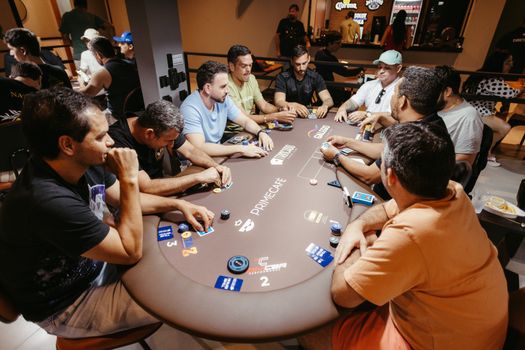
For example: - Tourists caught gambling online or offline are subject to the same penalties as local residents. - No casinos, betting shops, or online gambling lounges exist within resorts or hotels. - Even cruise ships must comply with Maldivian law when docked in Maldivian waters, meaning onboard casinos must close while in port.In 2019, a high-profile incident involved several tourists who were fined for organizing a private poker game in a luxury resort. This case highlighted the breadth of enforcement and the lack of exceptions, even in exclusive resort areas.
How the Maldives Compares: A Regional Overview
The Maldives is not alone in its strict stance against gambling, but its position is among the most uncompromising in the South Asian region. The table below compares gambling laws in several Indian Ocean and South Asian countries:
| Country | Legal Status of Online Gambling | Penalties | Exceptions for Tourists | Estimated Online Gambling Market (USD, 2023) |
|---|---|---|---|---|
| Maldives | Illegal | Fines, imprisonment | No | Negligible |
| Sri Lanka | Partially Legal (licensed casinos & betting) | Fines, closure of illegal outlets | Yes (in designated casinos) | $24 million |
| India | Regulated by state, online gambling in a grey area | Depends on state; fines, jail | Varies by state | $1.1 billion |
| Malaysia | Illegal (with minor exceptions in Genting) | Heavy fines, imprisonment | Yes (at Genting Highlands only) | $270 million |
| Singapore | Highly regulated (licensed operators only) | Fines up to $500,000, jail | Yes (at licensed casinos) | $790 million |
As shown, the Maldives stands apart in its total ban, with no exceptions or licensing system for any form of gambling—online or otherwise.
Risks and Realities: Enforcement and Practical Implications
Despite the legal clarity, the reality of enforcement in the Maldives has its nuances. While the government regularly blocks access to foreign gambling sites and pursues offenders, the following factors affect practical outcomes:
- $1 The Maldives, with a population of just over 521,000 (2023 estimate), has limited law enforcement resources. Most actions are reactive, following complaints or tips. - $1 Some individuals attempt to circumvent website blocks using VPNs or proxy servers. However, digital footprints can often be traced, and banks monitor suspicious transactions related to gambling. - $1 Local banks and payment providers actively monitor, freeze, or reject transactions linked to gambling, which can result in account closures or legal action.A 2021 report from the Maldives Police Service noted a 15% increase in cybercrime investigations related to online gambling, underscoring the government’s ongoing efforts to curb illegal activities.
For expatriates and tourists, the risks include: - Fines and legal proceedings, which may impact visa status - Confiscation of electronic devices - Negative publicity and potential blacklisting for future visitsRecent Developments and Future Outlook
While some Asian countries have moved toward regulated, taxed online gambling to raise revenue, the Maldives remains steadfast in its prohibition. Several recent developments highlight this ongoing stance:
- $1 The Maldivian government reaffirmed its commitment to upholding Islamic law, with the Ministry of Islamic Affairs warning against the normalization of gambling, including online forms. - $1 Over 150 gambling websites and apps were blocked by the Communications Authority of Maldives. - $1 As of 2024, there are no bills or public discussions in the People’s Majlis (parliament) to legalize or regulate online gambling.However, growing internet penetration (over 70% of Maldivians are now online) and increasing exposure to international media have raised concerns about the effectiveness of outright bans. Some local NGOs advocate for education and digital literacy to combat illegal gambling rather than stricter laws alone.
The future may bring more sophisticated technological monitoring and international cooperation to block illegal platforms. Still, given the central role of Islam in Maldivian society, legal gambling—online or otherwise—remains highly unlikely for the foreseeable future.
Final Thoughts on Online Gambling Laws in the Maldives
The Maldives’ approach to online gambling is among the strictest in the world. Rooted in Islamic law and reinforced by national legislation, all forms of gambling—physical or digital—are strictly prohibited. Enforcement, while challenged by technological advances, remains robust through website blocks, financial monitoring, and legal penalties.
Tourists, expatriates, and residents should be aware that there are no exceptions or legal loopholes. Attempting to gamble online from Maldivian territory carries real risks, including fines, imprisonment, and reputational damage. While neighboring countries may offer regulated or partial-legal gambling opportunities, the Maldives is resolute in its ban.
As the digital landscape evolves, the Maldivian government will likely continue investing in enforcement and education to uphold its legal and cultural values. Anyone considering online gambling while in the Maldives should think twice and fully respect the law.